Stainless Exhaust Materials: The Foundation of Performance and Durability
Every high-performance exhaust system is only as strong as the materials behind it. While design, diameter, and layout matter, nothing affects reliability and performance more than material choice. For builders who demand both strength and longevity, stainless exhaust materials are the gold standard. Unlike aluminized or mild steel, stainless resists rust, handles high heat, and provides a professional finish that lasts for years.
This guide explores the role of stainless exhaust materials in fabrication, the different types available, their benefits, applications, and best practices for building a system that performs as well as it looks.
Why Stainless Exhaust Materials Are Essential
Exhaust systems endure some of the harshest conditions in a vehicle. High heat from combustion, moisture from condensation, road salt, and vibration all take a toll on the piping and components. Stainless exhaust materials are designed to withstand these challenges by offering:
- Superior Corrosion Resistance: Stainless resists oxidation, making it ideal for wet climates or daily-driven vehicles.
- Heat Tolerance: High exhaust gas temperatures (EGTs) won’t cause warping or cracking when the right grade of stainless is used.
- Durability: Unlike mild steel, which may rust out in a few years, stainless exhaust systems can last the lifetime of the vehicle.
- Aesthetics: A polished stainless finish maintains a clean, professional look even after long-term use.

Common Stainless Exhaust Materials
Building a complete system requires more than just straight tube. Stainless exhaust materials cover a wide range of components:
Stainless Tube
Straight lengths of stainless tubing are the foundation of any exhaust. Available in multiple diameters and thicknesses, these tubes carry exhaust gases smoothly from the manifold or headers to the tailpipe.
Stainless Bends
Pre-formed mandrel bends maintain consistent internal diameter through curves, ensuring exhaust gases flow without restriction.
Stainless V Bands
Compact and service-friendly, these clamps create leak-free, high-strength joints between sections of tubing.
Flex Joints
Absorb vibration and thermal expansion, protecting welds and preventing cracks.
Resonators
Installed to control unwanted rasp or drone, resonators made from stainless last longer and maintain consistent sound tuning.
Stainless Mufflers
Key for controlling noise output while maintaining flow, stainless mufflers offer both acoustic refinement and durability.
Hangers and Mounting Hardware
Stainless hardware ensures that supporting parts of the system resist corrosion just as well as the tubing.
Together, these stainless components form a complete kit of exhaust materials that can be adapted to any build.
Grades of Stainless for Exhaust Materials
Not all stainless is the same. The choice of grade depends on performance needs and budget:
- 304 Stainless Steel: The most common option for performance exhausts. Strong, weldable, and resistant to corrosion.
- 321 Stainless Steel: Enhanced with titanium for superior high-heat resistance. Often used in turbo manifolds and race systems.
- 409 Stainless Steel: Found in OEM systems. More affordable, but less corrosion resistant than 304.
For most custom exhaust projects, 304 provides the best balance between cost and durability.
Applications in Automotive Fabrication
Full Exhaust Systems
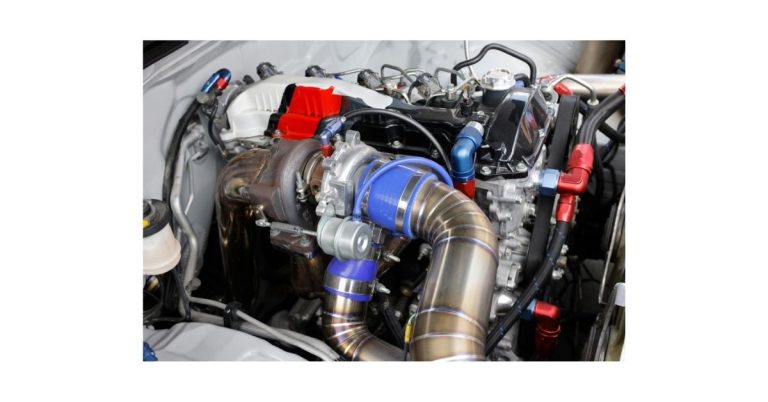
From the downpipe to the tailpipe, stainless exhaust materials ensure longevity and consistent performance.
Turbo Downpipes
Hot-side components benefit from stainless due to the extreme temperatures involved.
Headers and Manifolds
Stainless bends and tubing form strong, reliable runners for naturally aspirated or turbocharged setups.
Performance Upgrades
Resonators and stainless mufflers allow sound tuning while retaining flow efficiency.
Benefits of Stainless Exhaust Materials
- Longevity: A stainless exhaust system can outlast the car itself.
- Performance: Mandrel-bent stainless tubes reduce backpressure and improve power delivery.
- Sound Quality: Stainless resonators and mufflers create a deeper, more refined tone.
- Aesthetic Appeal: Polished stainless adds a premium, professional look.
- Low Maintenance: Stainless requires minimal upkeep compared to aluminized or mild steel.
Practical Build Example
A performance-oriented street car might use:
- 3-inch Stainless Exhaust Materials from the turbo downpipe to the muffler.
- Stainless flex joint placed before the mid-pipe to absorb vibration.
- A resonator to control drone at highway speeds.
- A large-body stainless muffler for a deep exhaust tone.
This setup balances performance, sound, and durability.
Quick Reference: Stainless Exhaust Materials
| Component | Function | Why Stainless? |
|---|---|---|
| Stainless Tube | Exhaust flow backbone | Heat resistant, corrosion proof |
| Stainless Bends | Routing around obstacles | Smooth, mandrel-formed for efficiency |
| Stainless V Bands | Section connections | Leak-free, compact, service-friendly |
| Flex Joints | Absorb vibration & expansion | Prevent cracks and stress |
| Resonators | Sound tuning | Long-lasting, refined acoustic control |
| Stainless Mufflers | Final tone shaping | Deep sound, corrosion resistance |
| Hangers & Hardware | Mounting and stability | Prevents rust and premature failure |
Tips for Working With Stainless Exhaust Materials
- Always Mock-Up First: Fit bends, mufflers, and resonators before cutting.
- Use TIG Welding with Back-Purge: Ensures weld integrity and prevents oxidation inside the pipe.
- Plan Service Points: Install V Bands in areas where the system may need to be removed.
- Protect Nearby Components: Use heat shielding where stainless passes close to fuel or brake lines.
- Check Ground Clearance: Consider oval tubing in lowered vehicles to avoid scraping.
Common Mistakes to Avoid
- Mixing Metals: Combining stainless with mild steel creates galvanic corrosion. Stick with stainless throughout.
- Poorly Placed Flex Joints: If placed incorrectly, they won’t absorb vibration effectively.
- Skipping Resonators: Straight-through systems without proper acoustic tuning often cause drone.
- Overtightening V Bands: Can warp flanges and reduce sealing ability.
Maintenance for Stainless Exhaust Materials
Though stainless is low-maintenance, a few practices extend its life further:
- Clean Regularly: Wash off salt and debris to keep surfaces polished.
- Inspect Welds: Especially around flex joints and bends where stress is higher.
- Check Hangers: Ensure isolators remain intact to prevent sagging or rattling.
Why Stainless Exhaust Materials Are Worth It
While stainless exhaust components may cost more than mild steel, their long-term value is undeniable. A mild steel exhaust might last 3–5 years before rust sets in, while stainless can last decades. For enthusiasts and professional builders, the combination of durability, performance, and professional finish makes stainless exhaust materials the clear winner.
Conclusion
Stainless exhaust materials form the foundation of any reliable, high-performance exhaust system. From tubing and bends to mufflers and hardware, each piece contributes to a stronger, more efficient, and better-sounding setup. For enthusiasts who want performance without compromise, investing in stainless components ensures a build that performs on the track, sounds refined on the street, and looks professional for years to come.
For premium options built to last, explore Stainless Exhaust Materials to upgrade your next project with confidence.