Moulding Machine: The Core Driver of Precision Plastic Manufacturing
In the industrial production of plastic goods, consistency and precision are not just desirable—they are essential. The moulding machine plays a central role in achieving these standards. As a fundamental tool in plastic processing, it shapes molten plastic into accurate and repeatable forms, enabling mass production with minimal material waste and high speed.
From automotive components to medical devices, the moulding machine continues to be a workhorse of global manufacturing.
What Is a Moulding Machine?
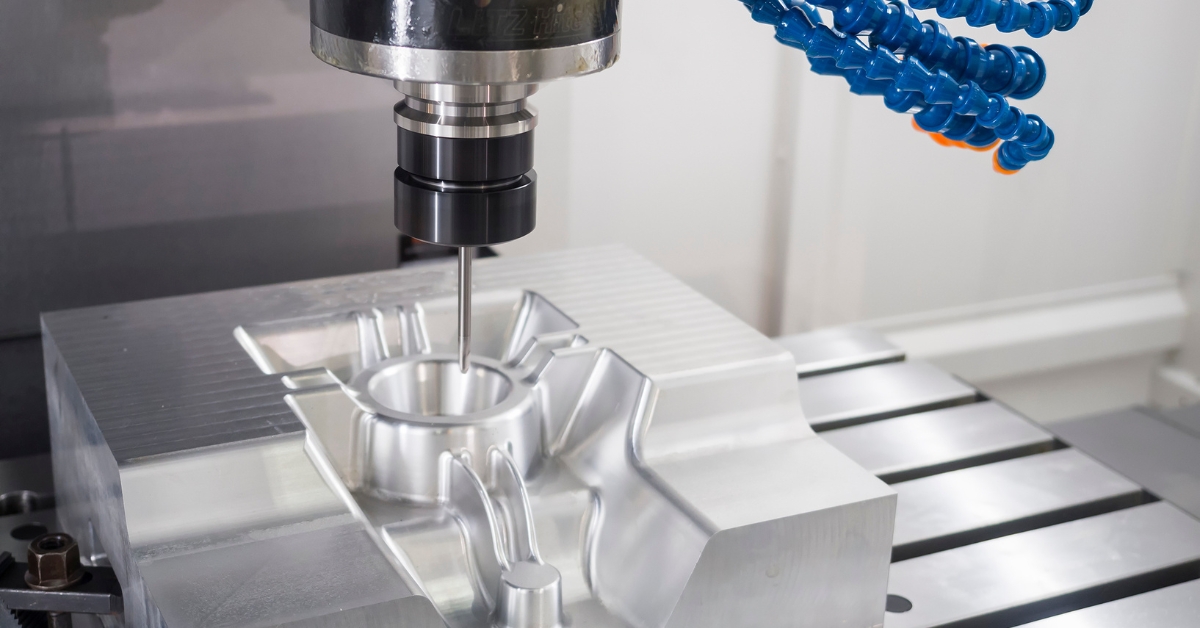
A moulding machine is an industrial device designed to shape raw plastic material into a specific form by pressing or injecting it into a pre-designed mold cavity. Once the material cools and solidifies, the mold opens, and the finished product is ejected.
While there are several types of moulding machines, injection moulding is the most common, widely used in plastic parts production across industries.
Key Types of Moulding Machines
| Type of Moulding Machine | Use Case |
|---|---|
| Injection Moulding | Ideal for precision parts in high volumes |
| Compression Moulding | Used in automotive and large flat plastic parts |
| Blow Moulding | Best suited for producing hollow plastic containers |
| Rotational Moulding | Used for large hollow products like tanks |
| Extrusion Moulding | Creates continuous shapes like pipes and sheets |
Each type of moulding machine serves a specific application based on product shape, material type, and production volume.
The Moulding Process: Step by Step
- Raw Material Loading: Plastic granules are poured into the hopper.
- Melting: The granules pass through a heated barrel where they melt.
- Molding: The molten plastic is injected or pressed into a mold.
- Cooling: The material cools and solidifies in the shape of the mold.
- Ejection: The mold opens, and the finished product is ejected.
- Cycle Repeats: The process is continuous for mass production.
This cyclical process is fully automated in modern moulding machines, enabling fast and repeatable output.
Advantages of Moulding Machines
- High-Speed Production: Rapid cycle times make them ideal for large-scale operations.
- Design Versatility: Capable of handling simple to highly complex mold designs.
- Dimensional Precision: Delivers parts with minimal deviation from design specifications.
- Low Material Waste: Efficient material usage and recyclability options.
- Cost-Effective for Large Batches: Reduced per-unit cost as volume increases.
These benefits make moulding machines essential for businesses seeking quality and scale.
Components of a Standard Moulding Machine
| Component | Function |
|---|---|
| Hopper | Feeds raw plastic into the system |
| Heating Barrel | Melts the plastic for shaping |
| Injection Unit | Injects molten plastic into the mold |
| Mold Cavity | Defines the shape of the finished product |
| Clamping Unit | Keeps the mold tightly closed during injection and cooling |
| Ejector System | Pushes out the cooled, shaped part once the mold opens |
Understanding these components is essential for proper operation and machine maintenance.
Industries That Rely on Moulding Machines
- Automotive: Interior panels, dashboards, engine covers
- Electronics: Device housings, cable connectors
- Healthcare: Syringes, diagnostic kits, enclosures
- Packaging: Bottle caps, food trays, plastic containers
- Furniture: Plastic chair parts, structural components
- Agriculture: Drip irrigation parts, seedling trays
The ability of moulding machines to adapt to different resins and shapes makes them a staple in nearly every major manufacturing industry.
Emerging Features in Modern Moulding Machines
Today’s moulding machines are increasingly equipped with smart technologies and energy-efficient components:
- Servo Motor Systems: Reduce energy consumption and increase control
- Touchscreen Interfaces: User-friendly control and monitoring
- IoT Connectivity: Real-time diagnostics and production data
- AI Integration: Predictive maintenance and error correction
- Eco-Friendly Processing: Compatible with biodegradable and recycled plastics
These innovations ensure better productivity, improved part quality, and reduced environmental impact.
Maintenance Tips for Longevity
To ensure uninterrupted operation and optimal performance:
- Inspect heating elements and temperature sensors regularly
- Lubricate moving mechanical parts according to usage frequency
- Monitor clamping and injection force settings for consistency
- Schedule preventive maintenance checks monthly or quarterly
- Train operators in safety protocols and machine functions
A well-maintained moulding machine can operate efficiently for many years with minimal downtime.
Choosing the Right Supplier
When investing in a moulding machine, selecting a reputable manufacturer ensures reliability, technical support, and long-term value. Daoben Machinery is one such trusted name, known for delivering robust and customizable moulding machines tailored to industry-specific requirements.
Their machines are built to international standards, with advanced automation options and user-friendly designs for streamlined production.
The moulding machine is more than a manufacturing tool—it’s the backbone of modern plastic production. Its precision, efficiency, and adaptability make it indispensable for businesses focused on quality and scalability. Whether you’re creating components for automobiles, electronics, or packaging, a reliable moulding machine will elevate your production capabilities. For world-class solutions, Daoben Machinery remains a trusted partner in achieving manufacturing excellence.