Laser Tag Experiences That Redefine Competitive Entertainment in Singapore
Laser Tag: The Ultimate High-Energy Game Experience for All Ages
Laser tag has evolved far beyond a simple recreational activity and is now recognized as a strategic, adrenaline-driven experience that blends physical agility, mental focus, and immersive gameplay. In Singapore, this activity has become a top choice for groups seeking engaging entertainment that balances fun with challenge. From casual players to competitive teams, laser tag delivers an environment where excitement, teamwork, and tactical thinking come together in a controlled yet thrilling setting that appeals to a wide demographic.
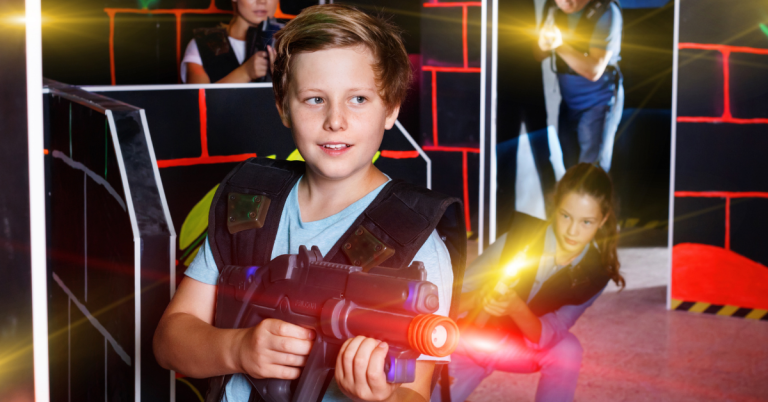
The appeal of laser tag lies in its ability to simulate combat-style scenarios without physical risk, making it suitable for families, corporate teams, and friends alike. Players enter specially designed arenas equipped with infrared blasters and sensor vests, engaging in missions that demand quick decision-making and coordination. Modern laser tag facilities in Singapore emphasize immersive design, incorporating sound effects, lighting, and dynamic layouts that elevate the overall experience beyond traditional arcade-style games.
At its core, laser tag is a game of strategy as much as speed. Participants must balance offense and defense, manage limited resources such as energy or lives, and adapt to constantly changing scenarios. This strategic depth keeps players engaged over multiple sessions, ensuring that no two games feel the same. As a result, laser tag has positioned itself as a premium entertainment option rather than a one-time novelty.
The Growing Popularity of Laser Tag in Urban Entertainment
Urban lifestyles demand activities that are efficient, engaging, and rewarding within limited timeframes. Laser tag fits seamlessly into this demand by offering short yet intense game sessions that deliver maximum excitement. In a city like Singapore, where entertainment options are diverse but time is often constrained, laser tag provides a high-impact experience that can be enjoyed in structured sessions without long preparation or learning curves.
Another factor driving popularity is accessibility. Laser tag does not require prior athletic training or specialized skills, allowing newcomers to participate confidently alongside experienced players. This inclusivity makes it ideal for mixed-age groups and varied skill levels. Facilities often offer customizable game modes, enabling players to choose between free-for-all matches, team-based missions, or objective-driven scenarios that cater to different preferences.
The social aspect of laser tag also contributes significantly to its growth. Unlike solitary digital games, laser tag encourages face-to-face interaction, communication, and collaboration. Players celebrate victories, analyze strategies, and share memorable moments after each session. This social reinforcement transforms laser tag into a bonding activity that strengthens relationships and builds shared experiences.
Arena Design and Immersive Technology
Modern laser tag arenas are carefully engineered to maximize immersion and gameplay balance. Layouts typically include multiple levels, corridors, obstacles, and hiding spots that encourage tactical movement rather than straightforward running. Lighting is intentionally low, complemented by neon accents and visual effects that heighten tension while maintaining safety and visibility.
Advanced technology plays a crucial role in enhancing realism. Infrared tracking systems ensure accurate hit detection, while real-time scoring systems provide immediate feedback to players. Many arenas integrate sound cues, mission announcements, and themed narratives that make each game feel like a cinematic experience rather than a simple competition. These elements work together to keep players mentally engaged throughout the session.
Equipment quality is another defining factor. Lightweight blasters, adjustable vests, and responsive sensors ensure comfort and accuracy during play. High-quality gear reduces fatigue and allows players to focus on strategy rather than equipment limitations. In Singapore’s premium entertainment market, these technological standards are essential for meeting customer expectations and maintaining repeat engagement.
Skill Development Through Laser Tag Gameplay
While laser tag is primarily known for entertainment, it also contributes to the development of valuable skills. Players improve hand-eye coordination, spatial awareness, and reaction time as they navigate the arena and respond to opponents. These physical skills are complemented by cognitive benefits such as strategic planning, situational awareness, and quick decision-making under pressure.
Team-based modes emphasize communication and leadership. Players must coordinate movements, assign roles, and adapt strategies in real time to succeed. This dynamic mirrors real-world teamwork scenarios, making laser tag a popular choice for group activities that aim to combine fun with skill-building. Participants often leave with a stronger sense of collaboration and mutual understanding.
Additionally, laser tag encourages healthy physical activity in a controlled environment. Players engage in continuous movement, which contributes to cardiovascular activity without the strain associated with high-impact sports. This balance makes laser tag suitable for a wide range of fitness levels while still providing an energizing experience.
Laser Tag as a Corporate and Group Activity
Organizations increasingly recognize laser tag as an effective platform for group engagement. The structured yet playful nature of the game allows participants to step outside traditional roles and interact on equal footing. This shift often leads to improved communication, reduced barriers, and stronger interpersonal connections within teams.
Corporate groups benefit from the game’s ability to simulate pressure scenarios in a low-risk environment. Teams must make quick decisions, manage resources, and support one another to achieve objectives. These dynamics reflect workplace challenges, making laser tag a practical supplement to conventional team-building exercises. The informal setting also encourages participation from individuals who may be less engaged in traditional corporate activities.
Beyond corporate use, laser tag is equally effective for social groups, celebrations, and community events. Its adaptability allows organizers to tailor experiences based on group size, objectives, and time constraints. This flexibility has contributed to its widespread adoption across different segments of Singapore’s entertainment landscape.
Safety Standards and Inclusive Design
Safety is a fundamental component of professional laser tag operations. Modern facilities adhere to strict guidelines regarding equipment maintenance, arena design, and game supervision. Infrared technology ensures that gameplay is non-contact, minimizing the risk of injury while preserving competitive intensity.

Inclusive design principles further enhance accessibility. Adjustable equipment accommodates different body types and ages, while clear instructions ensure that first-time players can participate confidently. Staff supervision and pre-game briefings reinforce safe behavior and fair play, creating an environment where enjoyment and responsibility coexist.
These safety measures contribute to the trustworthiness of laser tag as a recreational option. Parents, educators, and corporate organizers can confidently recommend the activity knowing that it prioritizes participant well-being without compromising excitement or engagement.
Choosing the Right Laser Tag Experience
Selecting a high-quality laser tag provider is essential for maximizing enjoyment and value. Factors such as arena design, equipment quality, game variety, and staff professionalism all influence the overall experience. Reputable providers invest in regular upgrades and maintenance to ensure consistent performance and player satisfaction.
Players seeking a premium experience often gravitate toward providers that emphasize immersive storytelling and advanced technology. A well-designed narrative framework transforms each session into a mission-driven adventure, enhancing replayability and emotional engagement. This approach distinguishes top-tier facilities from basic recreational setups.
For those exploring professional-grade laser tag experiences in Singapore, platforms like laser tag offer insights into advanced arena concepts and structured gameplay designed for both casual enjoyment and competitive play. Such providers focus on delivering consistent quality that meets the expectations of diverse audiences.
The Strategic Depth of Competitive Play
Competitive laser tag introduces an additional layer of complexity that appeals to experienced players. Advanced modes incorporate objectives such as base defense, territory control, or timed missions that require coordinated tactics and precise execution. Teams must analyze opponent behavior, adjust formations, and exploit arena features to gain an advantage.
Scoring systems in competitive play often reward accuracy, teamwork, and strategic positioning rather than sheer speed. This balance ensures that thoughtful gameplay is as valuable as physical agility. Over time, players develop personalized strategies and preferred roles, such as defense specialists or aggressive attackers, adding depth to team dynamics.
Competitive environments also foster a sense of progression. Players track performance metrics, refine skills, and aim for continuous improvement. This long-term engagement transforms laser tag from a casual pastime into a structured competitive activity that sustains interest over extended periods.
Laser Tag and the Future of Experiential Entertainment
Experiential entertainment continues to gain traction as consumers seek activities that offer more than passive observation. Laser tag exemplifies this trend by combining physical participation with immersive storytelling and social interaction. As technology advances, future iterations are likely to integrate augmented reality elements, adaptive environments, and enhanced data analytics.
Singapore’s position as a hub for innovation makes it an ideal environment for these advancements. Entertainment providers continually explore new ways to elevate player experiences through technology and design. Laser tag’s adaptability ensures that it remains relevant as consumer expectations evolve.
For enthusiasts and newcomers alike, engaging with established platforms such as laser tag provides access to professionally curated experiences that reflect the future direction of interactive entertainment. These experiences demonstrate how laser tag continues to redefine recreational gaming by blending strategy, technology, and human connection into a single compelling activity.
Why Laser Tag Remains a Timeless Choice
Despite rapid changes in entertainment trends, laser tag maintains enduring appeal due to its balance of simplicity and depth. The basic concept is easy to understand, yet the gameplay offers endless variations that keep players returning. This combination ensures accessibility for newcomers while rewarding dedication from experienced participants.
The adaptability of laser tag across age groups, group sizes, and objectives further reinforces its longevity. Whether played casually among friends or competitively within organized teams, the experience remains engaging and memorable. Its emphasis on interaction and movement addresses the growing demand for active entertainment in urban environments.
Ultimately, laser tag represents more than a game. It is a platform for connection, challenge, and creativity that continues to resonate with diverse audiences. As entertainment landscapes evolve, laser tag stands as a proven example of how interactive experiences can deliver lasting value and enjoyment.